




Building a Smart Home Security System That Fits Your Risks
A DIY smart home security system can cover environmental hazards and entry-related alerts, so the right devices depend on the risks you want to detect.
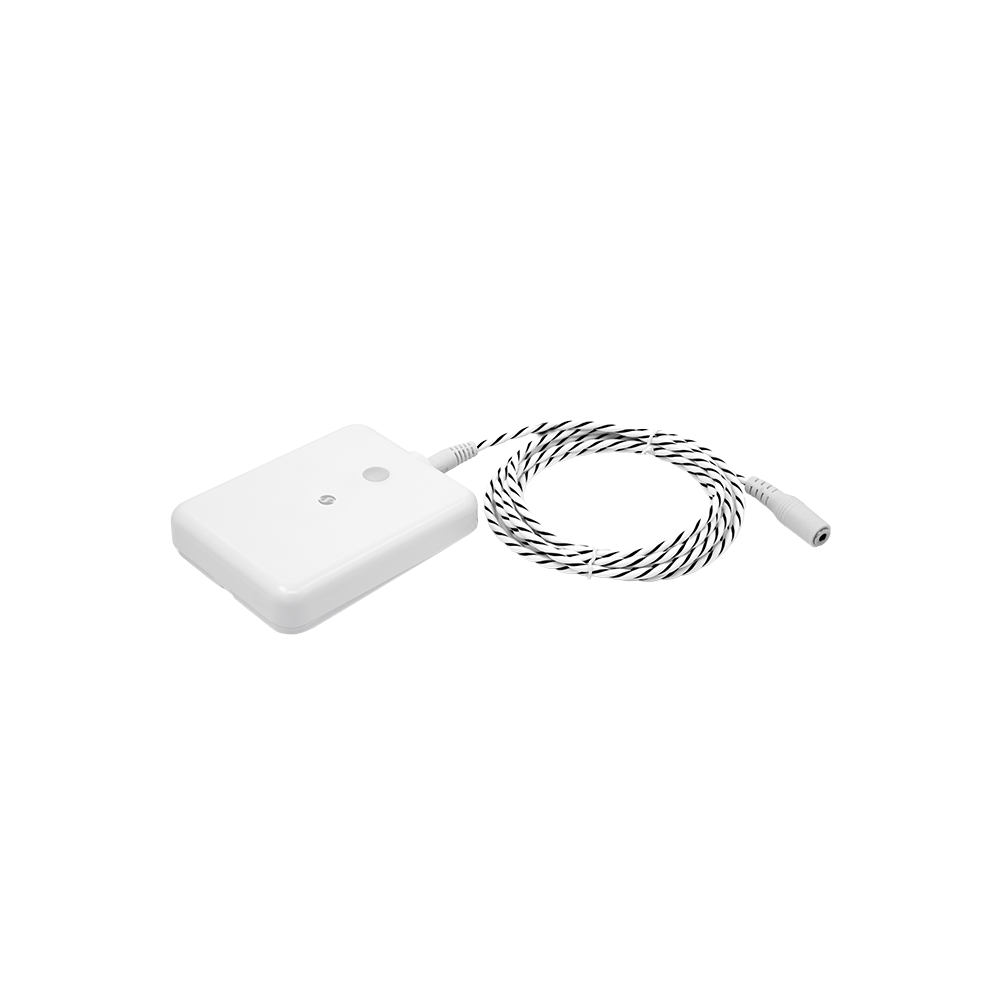
- Water leak detection: If you are monitoring basements, bathrooms or utility rooms for potential water damage, Shelly Flood can send alerts when water is detected.
- Smoke alerts: If you want to monitor rooms for smoke, Shelly Plus Smoke Alarm supports alerts and smart home routines for safety scenarios.
- Gas detection: If your home uses LPG or CNG, Shelly Gas helps detect combustible gas leaks early.
- Door and window status: If you need entry-point alerts, Shelly BLU Door/Window detects opening and closing events.
- Motion detection: If you want movement-based alerts or routines, Shelly BLU Motion can support presence-based automations.
Power, Placement and Alert Checks for DIY Home Security Devices
A DIY smart home security setup should match the risks you want to detect, the power source available and the placement area.
- Power source and placement: Check whether you need battery-operated devices for flexible placement on doors or hardwired options. Battery-powered sensors like the Shelly BLU Motion allow for straightforward DIY installation without electrical work.
- Environmental hazard type: Determine if you are monitoring for smoke, water, or gas. Devices like the Shelly Plus Smoke Alarm address specific safety threats and require strategic ceiling placement.
- Protocol requirements: Verify if your setup relies on Wi-Fi, Bluetooth, or Z-Wave. If extending Bluetooth coverage for your door sensors, a Shelly BLU Gateway can support signal transmission to your local network.
- Safety certifications: For critical hazard monitoring, ensure the devices meet professional standards. The Shelly Gas is UL-certified, providing reliable detection for combustible gases.
- Local control capabilities: If you want local automated responses, check whether your chosen sensors support local scene activation, for example triggering an alarm routine from motion detection.
Local Alerts and Automations for DIY Home Security
DIY smart home security devices can support alerts and automations when they are placed correctly and connected to your setup. Choose them by risk type, power source and notification needs.
- Risk area: Use smoke, water leak or gas detection where that specific risk needs early attention.
- Power and placement: Check whether the device is battery-powered, wired or intended for a particular room or surface.
- Alert routines: Connect alerts with scenes or automations so your home can respond more quickly where supported.
Linking Safety Alerts With Smart Home Routines
Smart safety devices can support alerts, responses and everyday awareness around the home. Explore smart safety and security routines, outdoor automation for exterior lighting and motion scenarios, or existing home upgrades that add protection without a full rebuild.


