











How to Choose Smart Home Lighting for Your Rooms
A smart home lighting system can include dimming, LED strip control, lighting circuits and room-based scenes. Choose the option that fits your existing wiring, fixtures and lighting goal.
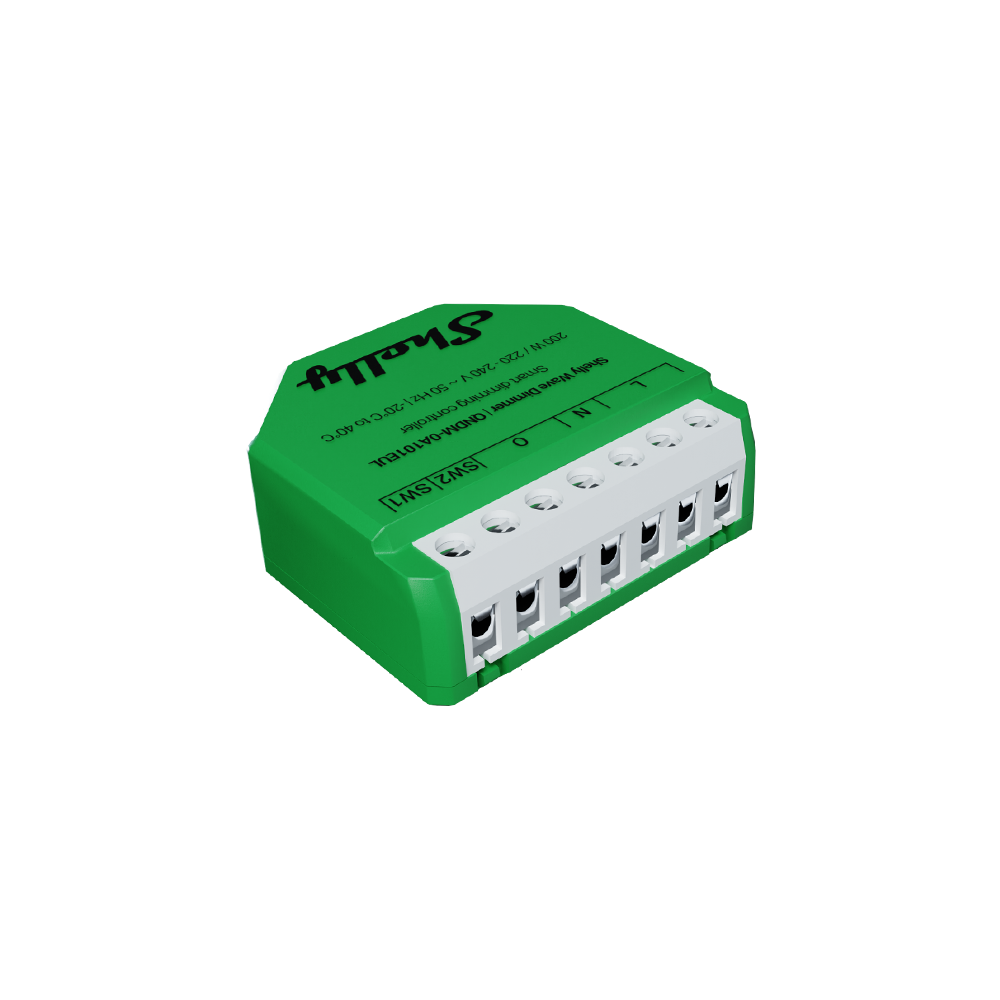
- Retrofit dimming: If you want to adjust existing light fixtures from behind the wall switch, Shelly Dimmer Gen3 supports compatible dimmable lighting setups.
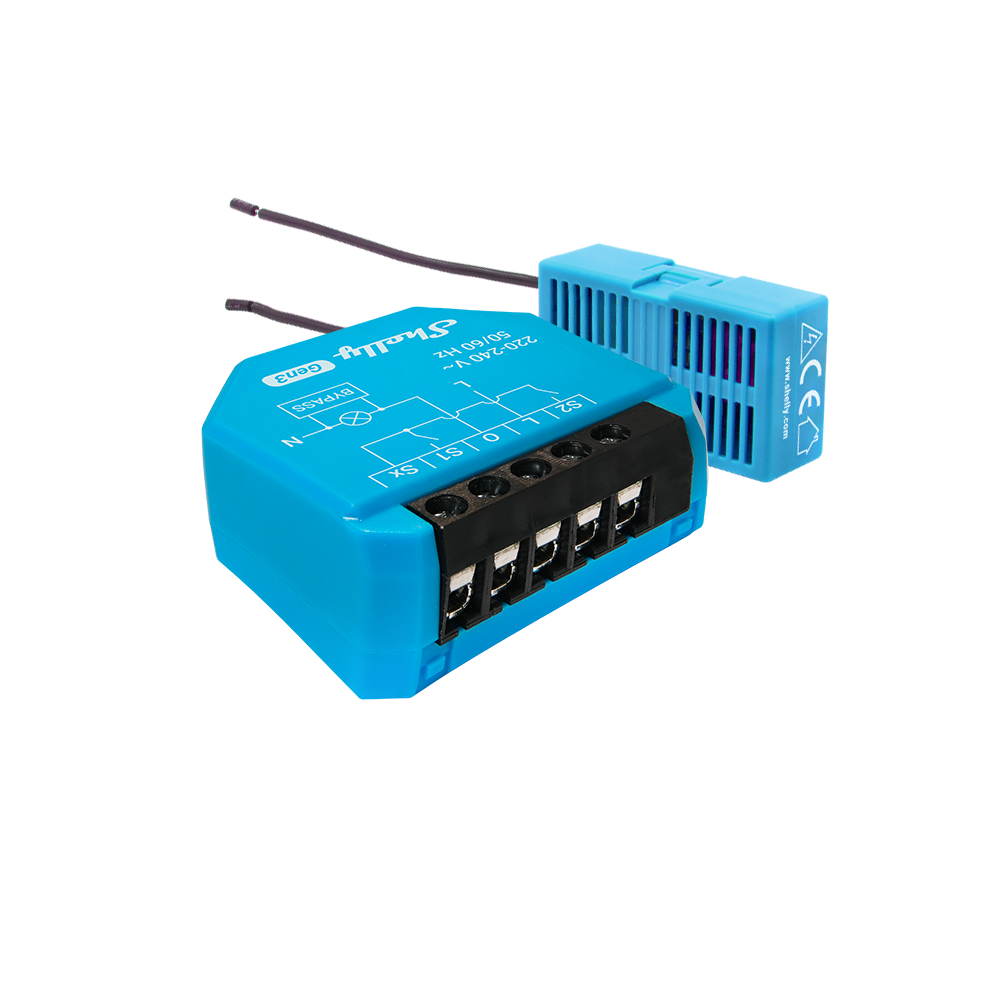
- Compact lighting circuits: If space behind the light switch is limited, Shelly 1 Mini Gen3 helps automate a single lighting circuit in tight wall boxes.
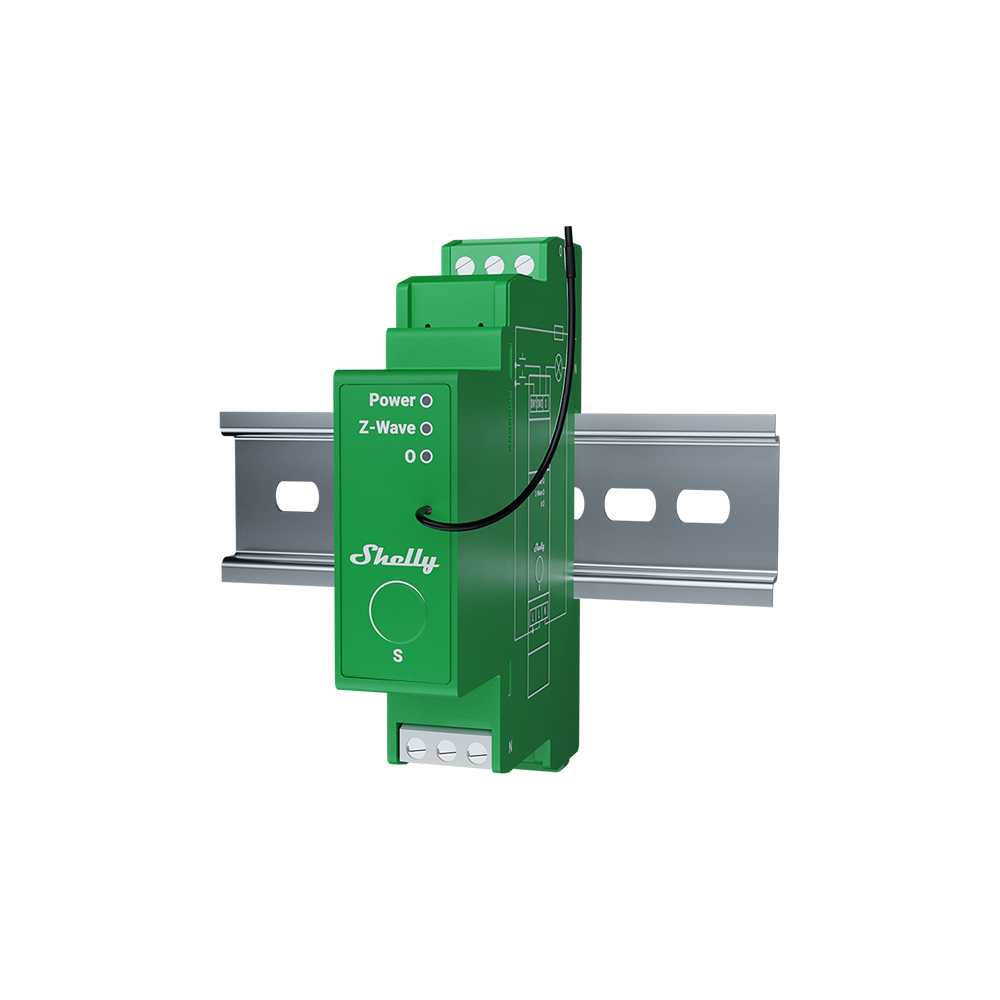
- Professional lighting panels: If you are planning centralised lighting control, Shelly Pro 4PM supports DIN-rail installation for multiple lighting circuits.
- LED strip integration: If you are adding accent lighting, Shelly Plus RGBW PM supports RGBW LED setups and colour profiles.
- Specialised lighting drivers: If your installation uses professional lighting drivers, Shelly DALI Dimmer Gen3 can support compatible DALI-based lighting control.
Voltage, LED Setup and Placement Checks for Smart Home Lighting
Smart home lighting components should match your voltage, LED setup and installation environment.
- Neutral wire availability: Check whether your wall switch boxes contain a neutral wire; if absent, you must select a no-neutral compatible device like the Shelly Dimmer Gen3, often paired with a Shelly Bypass for low-wattage LED loads.
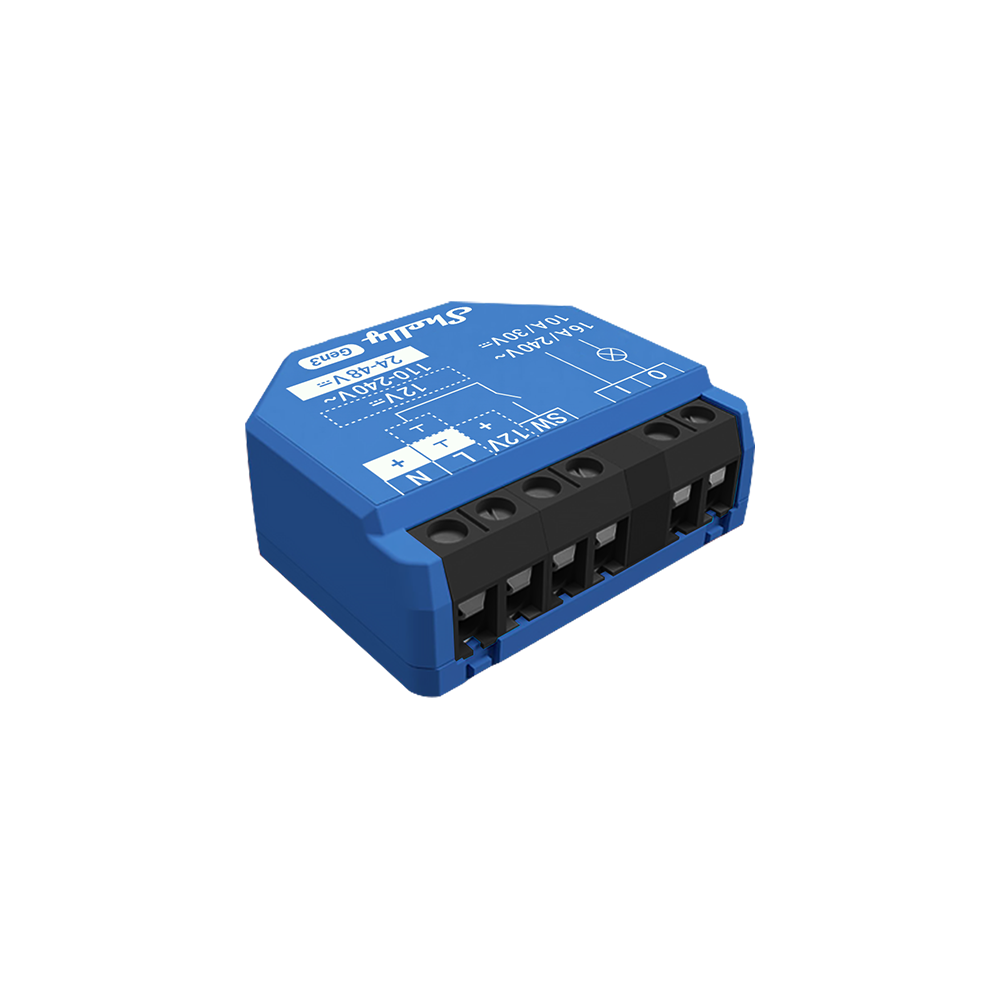
- Load capacity and amperage: Verify the total wattage of the lighting circuit you intend to automate, ensuring it stays within the device limits, such as the 16 A maximum of the Shelly 1 Gen4.
- Voltage requirements: Determine if you are controlling standard AC mains lighting or low-voltage DC fixtures, as LED strips require dedicated low-voltage controllers like the Shelly Plus RGBW PM.
- Dimming protocol compatibility: If you are integrating professional architectural lighting, check if the drivers require standard trailing-edge dimming, 0/1-10V control, or a specialised Shelly DALI Dimmer Gen3.
- Installation environment: Assess whether the lighting control will be decentralised behind individual wall switches using compact modules, or centralised in a distribution board requiring DIN-rail mountable Pro series devices.
Integrating Smart Home Lighting With Scenes and Automations
Smart home lighting should be planned around rooms, lighting scenes and LED setups rather than only individual products. This helps separate lighting systems from smart bulbs, relays or controllers.
- Room purpose: Decide whether the lighting should support ambience, task lighting, automation or scheduled routines.
- LED setup: Check voltage, strip type and placement when working with LED lighting or colour scenes.
- Automation fit: Connect lighting to scenes, schedules or app control based on the devices in your setup.
Building Lighting Scenes Across Your Home
Smart home lighting can support room scenes, schedules and flexible brightness or colour settings. Explore smart lighting solutions, review existing home ideas for retrofit projects, or connect lighting with smart home automation for routines across your home.


